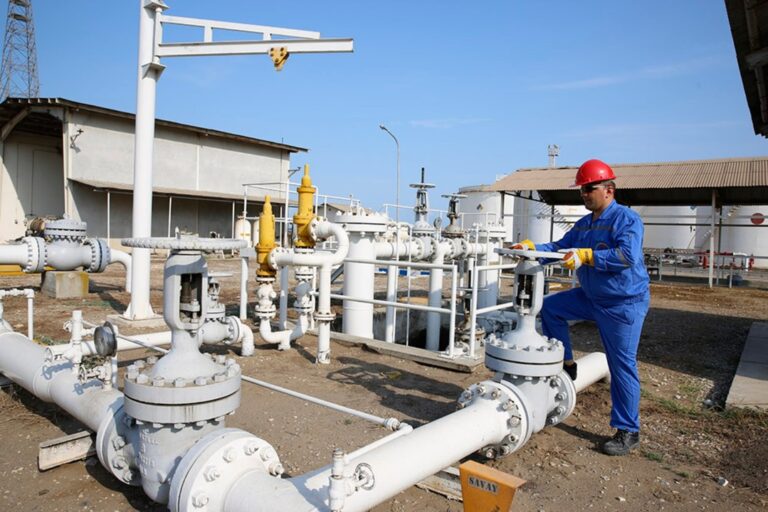
The oil and gas industry in the United Kingdom offers a wide range of job opportunities, from entry level positions to highly specialized roles. This sector is crucial to the UK’s economy, providing energy, employment, and technological advancements.
Securing a job in the UK’s oil and gas sector as a foreigner involves meeting several compulsory requirements, from obtaining the necessary qualifications and certifications to navigating the visa and immigration process.
Ensuring compliance with all legal and regulatory obligations is essential for both employers and employees. By fulfilling these requirements, foreign workers can contribute effectively to the UK’s dynamic oil and gas industry.
The North Sea is a significant hub for oil and gas activities, with Aberdeen often referred to as the “Oil Capital of Europe.” Other key locations include London, where many corporate offices are based, and various offshore platforms.
Major companies operating in the UK include BP, Shell, and TotalEnergies, along with numerous smaller firms and service providers. These companies offer competitive salaries, benefits, and opportunities for career advancement.
A background in engineering, geology, or a related field is typically required as many roles also demand specific certifications and safety training. Practical experience, either through internships or previous employment, is highly valued.
Compulsory Requirements For Oil And Gas Jobs In The UK For Foreigners
Relevant Qualifications And Experience
Relevant degree or vocational training, most roles in the oil and gas industry require a degree in a relevant field such as engineering, geology, or environmental science. For technical positions, vocational training or apprenticeships in related fields can also be acceptable.
However, work experience many positions require prior experience in the oil and gas sector or a related industry. This experience can range from a few years for entry level positions to several years for senior roles.
Certifications And Training
Basic Offshore Safety Induction and Emergency Training (BOSIET)This is a mandatory certification for anyone working offshore. It covers safety procedures, emergency response training, and survival techniques.
Medical Fitness Certificate: Workers must pass a medical examination to ensure they are fit to work in potentially hazardous and physically demanding environments.
Specialized Certifications: Depending on the role, additional certifications may be required. For example, engineers might need certifications in specific engineering disciplines, while safety officers might need NEBOSH or IOSH certifications.
Visa And Immigration Requirements
Sponsor Licence: Employers in the UK must have a sponsor licence to hire foreign workers. This licence demonstrates that the employer meets the criteria set by UK immigration authorities.
Skilled Worker Visa: Most foreign workers will need a Skilled Worker visa. To qualify, you must have a job offer from a UK employer with a sponsor licence, meet the skill level requirement (typically A-level or equivalent), and demonstrate proficiency in English.
Points Based System: The UK operates a points-based immigration system. To qualify for a Skilled Worker visa, you need to accumulate 70 points. Points are awarded for having a job offer, meeting the skill level, and English language proficiency.
Right To Work Checks: Employers must conduct right-to-work checks to ensure that all employees have the legal right to work in the UK. This includes verifying visas and other relevant documents.
Compliance And Legal Obligations
Employers must comply with all immigration rules and regulations, including maintaining accurate records of sponsored workers and ensuring they adhere to visa conditions.
Employers must inform UK immigration authorities of any changes in job roles, salaries, or if the worker leaves the job. Compliance with UK health and safety regulations is crucial this includes providing a safe working environment and ensuring all workers are trained in safety procedures.
Additional Considerations
Cultural adaptation working in a new country involves adapting to different cultural and workplace norms. Employers often provide cultural training to help foreign workers integrate smoothly. Support services many companies offer support services such as relocation assistance, housing, and family support to help foreign workers settle in the UK.
How To Apply For Oil And Gas Jobs In The UK For Foreigners
Research And Identify Job Opportunities
Job portals and websites start by exploring job portals like Rigzone, Oil and Gas Job Search, Indeed and LinkedIn these platforms list numerous oil and gas job vacancies in the UK.
Company websites visit the career sections of major oil and gas companies such as BP, Shell, and TotalEnegy. They often post job openings directly on their websites,
recruitment agencies consider registering with agencies that specialize in the oil and gas sector. They can provide valuable insights and help match you with suitable job opportunities.
Prepare Your Application Documents
Your resume/CV tailor them to highlight relevant experience, skills, and certifications ensure it meets UK standards, which typically include a concise format and clear sections. Write a compelling cover letter that explains why you are a good fit for the role and how your experience aligns with the job requirements.
Gather all necessary certifications, such as BOSIET (Basic Offshore Safety Induction and Emergency Training) and any specialized qualifications relevant to the job.
Apply For Jobs
Online Applications: Submit your applications through job portals, company websites, and recruitment agencies. Ensure you follow the application instructions carefully.
Leverage professional networks and platforms like LinkedIn to connect with industry professionals and hiring managers. Networking can sometimes lead to job opportunities that are not advertised publicly.
Prepare For Interviews
Research the Company: Understand the company’s operations, values, and recent projects. This knowledge will help you answer interview questions more effectively.
Prepare for common interview questions related to your experience, technical skills, and problem-solving abilities. Practice your responses to ensure clarity and confidence.
Be ready for technical assessments or practical tests, especially for engineering and technical roles. Review relevant concepts and practice problem-solving scenarios.
Visa And Immigration Process
Job Offer and Certificate of Sponsorship (CoS): Once you receive a job offer, your employer will provide a Certificate of Sponsorship (CoS).
This document is essential for your visa application. Apply for a skilled worker visa online, you will need to provide your CoS, proof of English proficiency, and other required documents.
Attend a biometrics appointment to provide your fingerprints and photograph as part of the visa application process. Pay the Immigration Health Surcharge, which grants you access to the UK’s National Health Service (NHS) during your stay.
Relocation And Settling In
Some employers offer relocation assistance, including help with finding accommodation and settling into the new environment. Inquire about these benefits during the job offer stage.
Prepare for cultural differences and workplace norms in the UK. Understanding these can help you integrate smoothly into your new role and community.
Conclusion
Applying for oil and gas jobs in the UK as a foreigner involves thorough research, meticulous preparation of application documents, and navigating the visa process. By following these steps and leveraging available resources, you can enhance your chances of securing a job in the UK’s dynamic oil and gas sector.